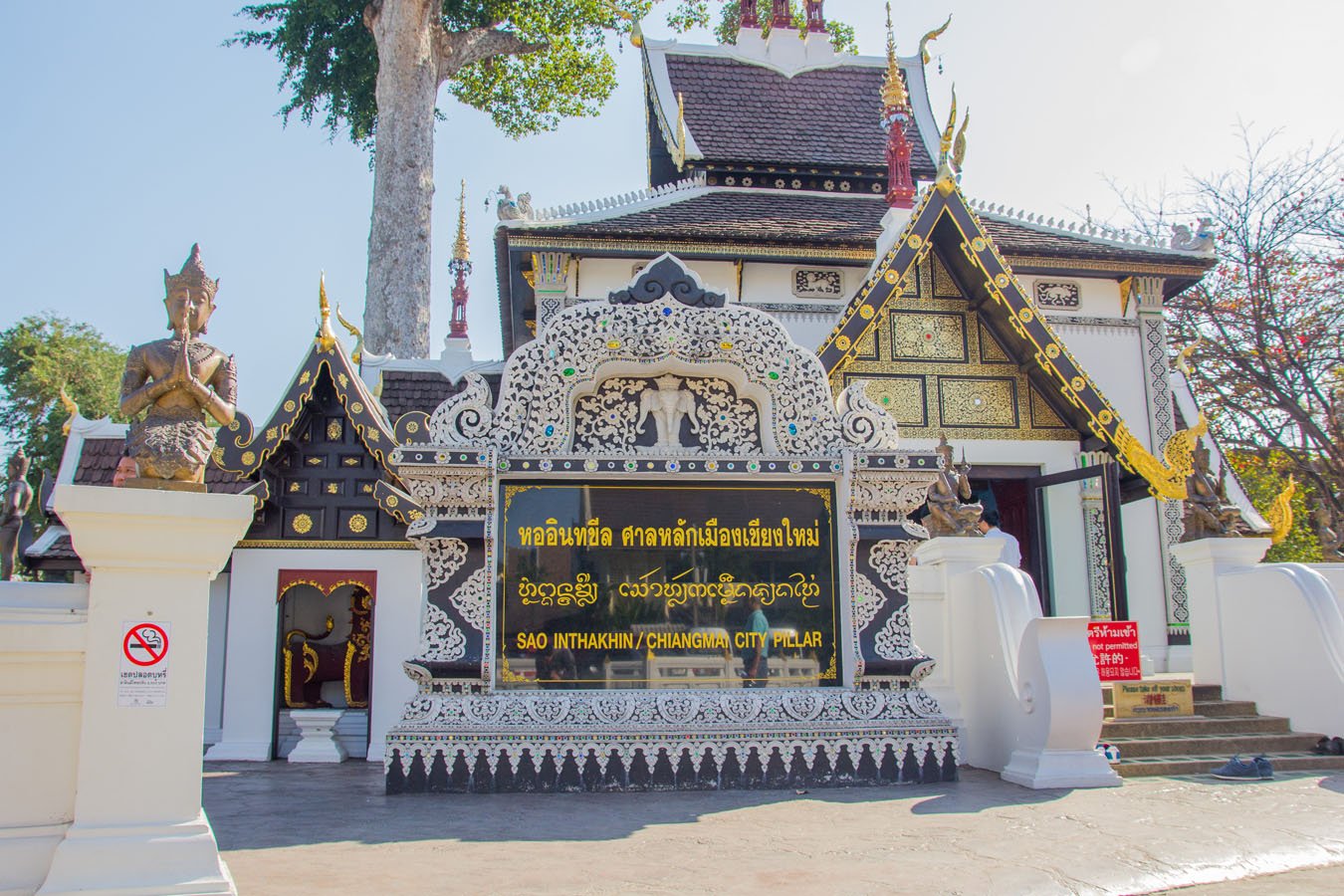
INTHAKHIN CITY PILLAR FESTIVAL, CHIANG MAI
A sacred Lanna tradition honoring Chiang Mai's guardian city pillar and spiritual heritage
Overview
Inthakhin City Pillar Festival, locally known as Prapeni Sai Dok Khao Inthakhin,
is one of Chiang Mai's most important religious and cultural celebrations.
The Inthakhin City Pillar (Thai: อินทขีล), meaning "Indra's Pillar," is Chiang Mai's sacred Lak Mueang, or city pillar, which has long been regarded as a spiritual symbol of protection and prosperity for the city.
According to local tradition, the pillar was originally established by King Mangrai on 12 April 1296, coinciding with the founding of Chiang Mai. It was first enshrined at Wat Sadue Mueang ("Temple of the Navel of the City"), also known as Wat Inthakhin, located along present-day Inthawarorot Road.
In 1800 CE, during the restoration of Chiang Mai under the rule of King Kawila of Lanna, the sacred pillar was relocated to its current shrine within the grounds of Wat Chedi Luang, where it remains one of the city's most revered religious and cultural landmarks.
The festival centers around the sacred Inthakhin City Pillar, believed to protect the city and bring prosperity to its people.
Residents gather to make merit, offer flowers, and pray for good fortune, rainfall, and community well-being.
Held annually at Wat Chedi Luang, the festival showcases traditional Lanna customs and provides visitors with an authentic cultural experience rarely found elsewhere in Thailand.
Key Highlights
- Sacred worship of the historic Inthakhin City Pillar
- Traditional offering of flowers to the city guardian spirit
- Buddhist merit-making ceremonies and prayers
- Authentic Lanna cultural traditions and rituals
- Temple celebrations at Wat Chedi Luang
- Traditional music, performances, and local markets
How to Access
From Chiang Mai Old City
- Wat Chedi Luang is located in the heart of the Old City
- Easy walking distance from most central accommodations
- Many visitors explore the area on foot during the festival
From Chiang Mai International Airport
- Approximately 15–20 minutes by taxi or ride-hailing service
- Public transportation and songthaews are readily available
- Allow extra travel time during festival evenings
By Local Transport
- Red songthaews frequently serve the Old City area
- Tuk-tuks are widely available throughout Chiang Mai
- Bicycles provide a convenient way to explore nearby attractions
Entry Information
- Entrance Fee: Free to attend festival activities
- Festival Dates: Usually held in May or early June
- Operating Hours: Morning through evening ceremonies
- Activities: Merit-making, flower offerings, temple visits, cultural performances
Festival dates follow the traditional lunar calendar and may vary each year. Visitors should confirm the annual schedule before traveling.
Visitor Experience
-
Flower Offering Ceremony:
Participate in the traditional practice of offering flowers to honor the sacred city pillar.
-
Religious Atmosphere:
Observe Buddhist rituals, prayers, and merit-making activities performed by local residents.
-
Lanna Heritage:
Experience centuries-old customs that continue to play an important role in Chiang Mai's identity.
-
Cultural Immersion:
Enjoy local performances, temple decorations, and community celebrations throughout the festival period.
Best Time to Visit
- During the annual festival period in May or June
- Morning hours for religious ceremonies and merit-making
- Evening for temple illuminations and cultural activities
- Weekdays offer a quieter and more spiritual atmosphere
Cultural Etiquette
- Dress modestly when visiting Wat Chedi Luang
- Remove shoes before entering temple buildings
- Respect worshippers participating in religious ceremonies
- Speak quietly within sacred areas
- Follow instructions from temple staff and volunteers
- Avoid touching sacred objects unless permitted
Nearby Attractions
- Wat Chedi Luang
- Wat Phra Singh
- Three Kings Monument
- Tha Phae Gate
- Chiang Mai Old City
- Sunday Walking Street Market
 AsiaByLand.com