 AsiaByLand.com





☰
AsiaByLand.com
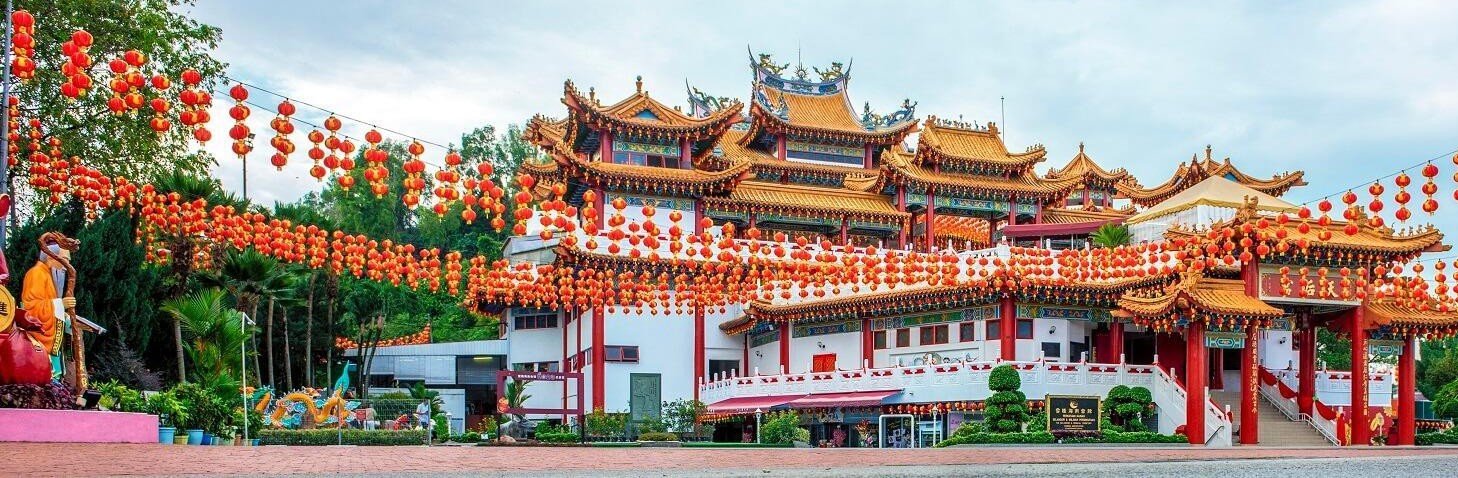
Thean Hou Temple is one of the largest and most famous Chinese temples in Southeast Asia, dedicated to the Goddess of the Sea, Mazu (Thean Hou). Located on Robson Hill, it overlooks Kuala Lumpur and offers stunning views of the city skyline.
The temple is a major cultural and religious landmark for the Chinese community in Malaysia and attracts thousands of visitors daily, including worshippers, tourists, and photographers drawn to its intricate architecture and peaceful atmosphere.
Built in a blend of traditional Buddhist, Taoist, and Confucian architectural styles, Thean Hou Temple is known for its grand halls, ornate roofs, dragon pillars, and beautifully decorated prayer spaces.
In addition to its religious significance, the temple is also a popular destination for cultural events, weddings, festivals, and traditional celebrations, especially during Chinese New Year.
Thean Hou Temple was constructed by the Selangor and Federal Territory Hainan Association and officially completed in the late 1980s. It was built to serve as a place of worship for the Hainanese community in Kuala Lumpur.
Over time, it has grown into one of Malaysia’s most important Chinese cultural landmarks, symbolizing unity, tradition, and spiritual devotion.
The temple features a unique combination of traditional Chinese architectural elements and modern construction techniques. Its multi-tiered roofs, bright red columns, and intricate carvings reflect classical Chinese design.
The main prayer hall is elevated, offering panoramic views of Kuala Lumpur. The temple grounds include landscaped gardens, decorative lanterns, and statues that enhance its spiritual ambiance.
Thean Hou Temple is an important place of worship for Taoist and Buddhist followers, particularly within the Hainanese community. It is dedicated to Mazu, the Goddess of the Sea, who is believed to protect fishermen and sailors.
The temple also serves as a cultural centre, hosting traditional festivals, ceremonies, and community events throughout the year.
The nearest LRT station is Bangsar LRT Station, from which visitors can take a short taxi or ride-hailing trip to the temple.
Several RapidKL bus routes operate near the Robson Heights and Seputeh area, providing access to the temple vicinity.
Transportation services listed on this website are for reference only and may vary over time. Please verify with the respective provider for the most up-to-date information.
Prices and operating hours listed on this website are for reference only and may vary over time. Please verify with the respective operator for the most up-to-date information.