 AsiaByLand.com





☰
AsiaByLand.com
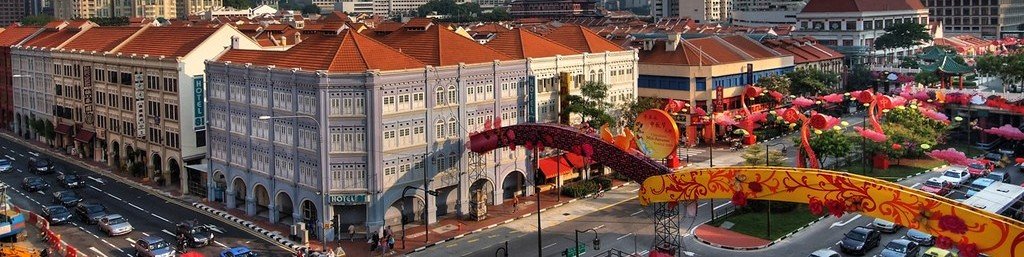
Chinatown Singapore is a historic cultural district in Singapore that showcases the city’s Chinese heritage through preserved architecture, temples, traditional trades, and lively street life, set within a modern urban environment.
Originally established in the 19th century as part of early Chinese immigrant settlements, Chinatown developed as a dense hub of shops, residences, and trade. Today, while much of Singapore has modernised, the area still retains its heritage charm through conserved shophouses and cultural landmarks.
The district becomes especially lively during festivals such as Chinese New Year, when streets are decorated with lanterns, markets expand, and cultural performances take place.
Early settlement (1800s): After Sir Stamford Raffles founded modern Singapore in 1819, the colonial administration assigned ethnic groups to specific areas. Chinese immigrants were largely settled in what became Chinatown, where they worked as labourers, traders, craftsmen, and merchants. The area quickly became densely populated and economically active.
Growth and crowded living conditions: By the late 19th and early 20th centuries, Chinatown was extremely crowded, with shophouses serving as both homes and workplaces. Many immigrants lived in poor conditions, while the area also developed into a vibrant centre for commerce, clan associations, temples, and social life.
Urban redevelopment: From the 1960s onwards, Singapore’s government began major urban renewal projects to improve living conditions. Many overcrowded buildings were cleared or redeveloped, and residents were relocated to public housing estates. At the same time, efforts were made to preserve key heritage buildings.
Conservation and modern Chinatown: In the 1980s and 1990s, parts of Chinatown were officially designated for conservation. Shophouses were restored, and the area was transformed into a cultural and tourist district while still retaining its historical character.
Cultural identity: Chinatown preserves traditions, customs, and architecture that reflect early Chinese immigrant life in Singapore. Landmarks like the Buddha Tooth Relic Temple and traditional shophouses help keep cultural practices and religious heritage visible and active.
Historical importance: The district is one of the earliest settlement areas formed after Singapore’s founding in 1819. It reflects the struggles and contributions of early immigrants who shaped Singapore’s economy through trade, labour, and entrepreneurship.
Heritage conservation: Chinatown plays a key role in Singapore’s conservation efforts, where historic buildings and streets are preserved while being integrated into a modern urban environment. This balance showcases how Singapore values both progress and history.
Food and everyday culture: It is also a major centre for local food culture, with hawker centres like Maxwell Food Centre offering affordable and iconic dishes such as chicken rice and noodles. This makes it important not just historically, but in daily life and tourism.
Tourism and festivals: During events like Chinese New Year, Chinatown becomes one of the most festive areas in Singapore, with decorations, markets, and cultural performances attracting both locals and tourists.
Chinese New Year Celebrations: The biggest annual event in Chinatown is the Chinese New Year celebration. The streets are decorated with lanterns, zodiac-themed displays, and festive arches. There are also night bazaars, cultural performances, and lion dances throughout the district.
Chinatown Light-Up & Street Bazaar: Leading up to Chinese New Year, the Chinatown Street Light-Up transforms the area into a glowing festival zone. The Chinatown Street Market becomes especially lively with stalls selling decorations, snacks, and gifts.
Mid-Autumn Festival: During the Mid-Autumn Festival, Chinatown features lantern displays, cultural performances, and traditional mooncake stalls. The streets are beautifully lit with themed installations.
Lantern Festival & Cultural Events: Smaller cultural events such as lantern processions, calligraphy demonstrations, and traditional performances are held throughout the year, especially around heritage celebrations.
National & Community Events: Chinatown also participates in broader city celebrations like Singapore National Day, with themed decorations and community activities.
Food & Night Markets: Occasional food festivals and night markets are held, often near Maxwell Food Centre, showcasing local dishes and street food culture.
Prices and Timing listed on this website are for reference only and may vary over time. Please verify with the respective provider for the most up-to-date information.
Transportation services listed on this website are for reference only and may vary over time. Please verify with the respective provider for the most up-to-date information.