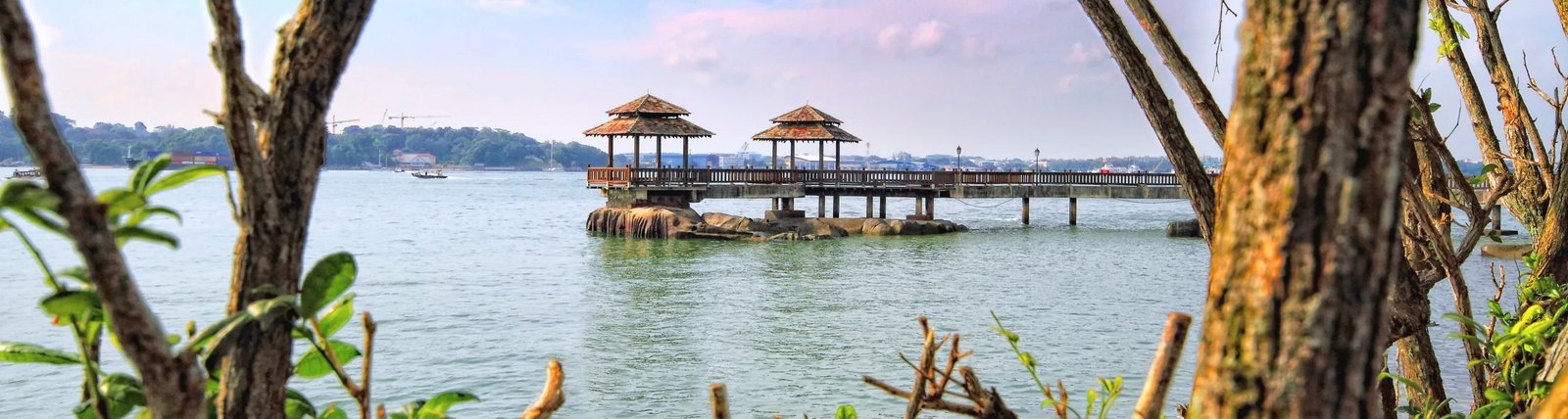
PULAU UBIN, SINGAPORE
A rustic island getaway known for its untouched nature, cycling trails, wildlife, and a glimpse of old Singapore village life.
Overview
Pulau Ubin is a small island located off Singapore’s northeastern coast, offering one of the last remaining rural landscapes in the country.
The island is famous for its natural forests, mangroves, granite quarries, and traditional kampong (village) atmosphere, making it a popular escape from the city.
Visitors often explore the island by bicycle or on foot, enjoying its peaceful environment, wildlife, and scenic nature trails.
History of Pulau Ubin
- Early settlement:
- Pulau Ubin was once home to granite quarrying communities and traditional Malay kampongs.
- Granite industry:
- The island was an important source of granite used in Singapore’s early infrastructure projects, including docks and roads.
- Decline of population:
- As urban development increased, residents gradually moved to mainland Singapore in the late 20th century.
- Conservation status:
- Today, Pulau Ubin is preserved as a natural and heritage site to protect its rural landscape and biodiversity.
Significance of Pulau Ubin
- Natural heritage:
- It preserves one of Singapore’s last rural ecosystems and traditional landscapes.
- Biodiversity hotspot:
- The island is home to diverse wildlife including monkeys, hornbills, and mangrove species.
- Cultural value:
- It reflects Singapore’s kampong lifestyle before urbanisation.
- Eco-tourism destination:
- Popular for nature lovers, hikers, and cyclists seeking a rustic experience.
- Environmental conservation:
- Protected as part of Singapore’s efforts to conserve natural habitats.
Major Events in Pulau Ubin
- Nature guided walks:
- Organised tours exploring flora, fauna, and heritage sites.
- Outdoor adventure activities:
- Cycling and kayaking events are occasionally held for eco-tourism groups.
- Conservation programmes:
- Environmental education and mangrove restoration activities.
- School excursions:
- Educational trips focusing on biodiversity and heritage.
- Photography tours:
- Popular guided photography sessions highlighting wildlife and landscapes.
Places to visit in Pulau Ubin
- Cheelong Lake: A scenic lake surrounded by mangroves and wildlife.
- Jejawi Tower: An observation tower offering panoramic views of the island.
- Chek Jawa Wetlands: A rich coastal ecosystem with boardwalks and marine biodiversity.
- Old Kampong Houses: Traditional village homes showcasing past rural life.
- Granite Quarries: Abandoned quarries now filled with water, creating scenic landscapes.
- Ketam Mountain Bike Park: A popular trail system for mountain biking.
- Ubin Town: The main village area with bike rentals and small eateries.
Entrance Fees
- Pulau Ubin entry:
- Free entry
- Boat ferry (~S$4–S$6 per trip from Changi Point Ferry Terminal)
- Bicycle rental:
- ~S$8–S$15 per day depending on type
- Guided tours:
- ~S$20–S$60 depending on activity
- Food and drinks:
- Small eateries: ~S$3–S$10 per item
Prices and Timing listed on this website are for reference only and may vary over time. Please verify with the respective provider for the most up-to-date information.
How to Get to Pulau Ubin
- By MRT + Ferry (Most common):
- Take the MRT to Tanah Merah MRT Station (EW4).
- Transfer to Bus 2 to Changi Point Ferry Terminal.
- Take a bumboat ferry to Pulau Ubin.
- By Bus:
- Buses 2, 29, or 59 connect to Changi Village area.
- By Taxi or Ride-hailing:
- Direct drop-off at Changi Point Ferry Terminal.
- By Cycling (limited):
- Cycling is done only after reaching the island; bicycles can be rented there.
Transportation services listed on this website are for reference only and may vary over time. Please verify with the respective provider for the most up-to-date information.
Key Tips for Visitors to Pulau Ubin
- Bring cash:
- There are no ATMs on the island.
- Wear comfortable shoes:
- Many trails are uneven and natural terrain.
- Rent a bicycle:
- Best way to explore the island efficiently.
- Stay hydrated:
- Bring enough water as facilities are limited.
- Respect nature:
- Do not disturb wildlife or damage natural habitats.
- Check ferry timings:
- Ferries operate on demand and may vary depending on passenger load.
 AsiaByLand.com