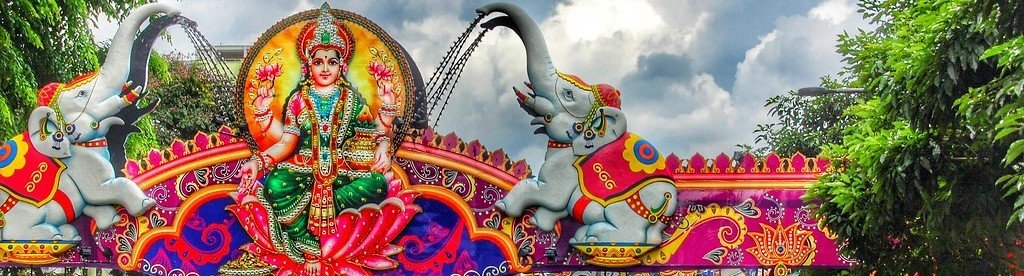
LITTLE INDIA, SINGAPORE
A vibrant cultural district known for its colourful streets, Hindu temples, traditional Indian shops, and authentic South Asian food.
Overview
Little India Singapore is a vibrant cultural district known for its colourful streets, rich heritage, Hindu temples, traditional Indian shops, and authentic South Asian food, all set within Singapore’s modern city landscape.
The district developed in the 19th century when Indian immigrants settled in the area, working in trades such as cattle rearing, textiles, and services. Over time, it grew into a lively neighbourhood filled with shops, markets, temples, and cultural activity.
Today, Little India is one of Singapore’s most energetic districts, especially during festivals such as Deepavali, when the streets are decorated with lights, festive arches, and cultural displays.
History of Little India
- Early settlement (1800s):
- Little India began forming in the 19th century when Indian migrants were brought to Singapore under British colonial rule. Many worked in cattle trading, spice businesses, and manual labour, leading to the establishment of an Indian enclave.
- Development of trade and community:
- The area grew into a commercial and residential hub, with markets, provision shops, temples, and social spaces serving the Indian community.
- Cultural growth:
- Over time, Little India became a centre for Tamil culture, Indian textiles, jewellery, and cuisine, preserving traditions while evolving alongside Singapore’s urban growth.
- Modern transformation:
- Today, Little India has been preserved as a heritage district, balancing traditional culture with modern businesses, tourism, and vibrant street life.
Significance of Little India
- Cultural identity:
- Little India preserves the traditions, religions, and cultural practices of Singapore’s Indian community through temples, shops, and festivals.
- Historical importance:
- It reflects the contributions of early Indian immigrants who played a key role in Singapore’s labour force, trade, and development.
- Heritage conservation:
- The district maintains its historical charm through preserved shophouses and cultural landmarks, making it an important heritage site.
- Food and daily life:
- It is a major food hub offering authentic Indian cuisine such as biryani, prata, and thosai at restaurants and hawker centres.
- Tourism and festivals:
- Events like Deepavali transform Little India into a colourful celebration zone with lights, decorations, and cultural performances.
Major Events in Little India
- Deepavali (Festival of Lights):
- The biggest celebration in Little India, featuring street light-ups, decorations, cultural performances, and festive markets.
- Thaipusam:
- A major Hindu festival marked by devotional processions and rituals, attracting large crowds and participants carrying kavadis.
- Pongal Festival:
- A harvest festival celebrated with traditional cooking, cultural performances, and community events.
- Cultural street events:
- Throughout the year, Little India hosts live performances, markets, and cultural showcases along Serangoon Road.
- National celebrations:
- The district also participates in Singapore National Day festivities with themed decorations and community activities.
Places to visit in Little India
- Serangoon Road: The main street of Little India, lined with shops, eateries, and cultural landmarks.
- Sri Veeramakaliamman Temple: One of the oldest Hindu temples in Singapore, dedicated to the goddess Kali.
- Tekka Centre: A popular hawker centre and market offering Indian food, fresh produce, and traditional goods.
- Mustafa Centre: A 24-hour shopping complex selling everything from groceries to electronics at affordable prices.
- Indian Heritage Centre: A museum showcasing the history and contributions of the Indian community in Singapore.
- Little India Arcade: A cluster of shops selling textiles, jewellery, souvenirs, and traditional items.
- Tan Teng Niah House: A colourful heritage building and one of the most photographed spots in Little India.
- Campbell Lane: A lively pedestrian street with shops selling flowers, garlands, and traditional goods.
Entrance Fees
- Serangoon Road:
- Free entry
- Pay only for shopping and food
- Sri Veeramakaliamman Temple:
- Free entry
- Donations optional
- Tekka Centre:
- Free entry
- Food typically S$3–S$8 per dish
- Mustafa Centre:
- Free entry
- Pay for goods purchased
- Indian Heritage Centre:
- Adults: ~S$8–S$15
- Children: ~S$5–S$8
- Little India Arcade:
- Free entry
- Shopping costs vary
- Tan Teng Niah House:
- Campbell Lane:
Prices and Timing listed on this website are for reference only and may vary over time. Please verify with the respective provider for the most up-to-date information.
How to Get to Little India
- By MRT (Most convenient):
- Take the MRT to Little India MRT Station (NE7 / DT12).
- Direct access via North-East Line or Downtown Line.
- Exit leads straight into the main district.
- By Bus:
- Multiple buses stop along Serangoon Road and Bukit Timah Road.
- Alight near Tekka Centre or Little India Arcade.
- By Taxi or Ride-hailing:
- Use Grab or taxis for direct drop-off at Serangoon Road or Tekka Centre.
- By Walking:
- From nearby areas like Bugis or Rochor, Little India is a 10–15 minute walk.
- Easy pedestrian access through city streets.
- By Car:
- Enter via Serangoon Road or Bukit Timah Road.
- Parking available at Tekka Centre and nearby car parks.
Transportation services listed on this website are for reference only and may vary over time. Please verify with the respective provider for the most up-to-date information.
Key Tips for Visitors to Little India
- Visit during festivals:
- Deepavali is the best time to experience colourful lights and cultural performances.
- Explore on foot:
- The district is compact and best experienced by walking through its streets and lanes.
- Try local food:
- Don’t miss Indian dishes like prata, briyani, thosai, and teh tarik at Tekka Centre.
- Be prepared for crowds:
- Weekends and festival periods can be very busy, especially around Serangoon Road.
- Respect cultural spaces:
- Dress modestly when visiting temples and follow local customs.
- Carry cash or e-payments:
- Most shops accept cash, QR payments, or digital wallets.
- Stay hydrated:
- The area can be hot and humid—carry water when exploring outdoors.
 AsiaByLand.com